
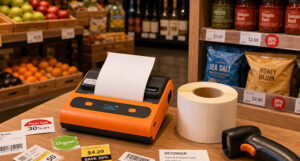
Whether you are managing a bustling retail store, running a busy e-commerce warehouse, or organizing a healthcare facility, reliable labeling is the backbone of smooth operations. If you are still relying on traditional inkjet or laser printers for your daily labels, you are likely spending too much on consumables and dealing with unnecessary downtime.
Enter the thermal label printer—a game-changing piece of equipment designed for speed, efficiency, and cost-effectiveness. In this guide, we will break down how thermal printing works, the types of labels you can use, and what features to look for when upgrading your business hardware.
How Does a Thermal Label Printer Work?
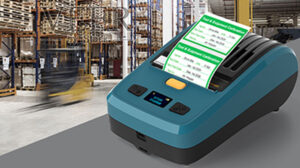
Unlike standard office printers, a direct thermal label printer operates without any ink, toner, or ribbons. The secret lies in the printhead and the paper.
The printer’s internal printhead consists of tiny heating elements. When the heat-sensitive (thermal) label paper passes under the printhead, these elements apply targeted heat, causing a chemical reaction in the paper that turns it dark. This process instantly creates crisp, high-contrast text, barcodes, and logos. The result? A blazing-fast printing process with zero ink costs.
Label Compatibility: What Can You Print On?
Because direct thermal printers rely on heat-sensitive materials, you cannot use standard office paper. You must use direct thermal labels. When evaluating label compatibility, keep these points in mind:
- Label Sizes:A versatile commercial printer should accommodate various sizes. The most common is the 4×6 inch standard for shipping, but your printer should ideally support adjustable widths for smaller barcodes, price tags, and address labels.
- Format Flexibility:Look for printers that support both continuous label rolls and fan-fold stacks. This gives you the flexibility to purchase consumables in bulk and feed them through the back of the machine.
- Application Types:Direct thermal labels are perfect for indoor use and short-term applications, such as shipping labels, fast-food receipts, and retail price tags.
Print Speed and Maintenance Costs
In a commercial environment, speed and uptime are critical. A high-quality thermal label printer can achieve print speeds of 150mm/s to 200mm/s, allowing you to print up to 60-80 labels per minute.
When it comes to maintenance, thermal printers are incredibly cost-effective. Because there are no ink cartridges to replace or moving parts related to toner drums, mechanical failures are rare. The only routine maintenance required is occasionally wiping the printhead with an alcohol swab to remove paper dust, ensuring a long lifespan and consistent print clarity.
Suitable Commercial Scenarios
Thanks to their compact size and efficiency, these printers are widely adopted across multiple industries:
- E-commerce & Logistics:For printing high-volume 4×6 shipping labels and inventory barcodes.
- Retail & Supermarkets:Perfect for shelf tags, promotional pricing, and receipt printing. For floor staff, a portable thermal label printer is ideal for on-the-spot tagging.
- Healthcare:Used for patient wristbands, lab sample tracking, and prescription labeling.
Upgrade Your Labeling System with Detonger
Investing in the right thermal printing technology will drastically cut your operational costs and boost daily productivity. As a manufacturer with over 16 years of industry experience, Detonger offers a wide range of reliable printing solutions. From high-speed commercial units to smart, portable devices, we have the right hardware for your workflow.
Ready to find the perfect thermal printer for your business?
[Contact Detonger for Model Recommendation]
Our hardware specialists will provide you with expert advice and wholesale pricing options.