
When a business outgrows printing single sheets of stickers on a standard office inkjet, the next logical step is upgrading to a dedicated label roll printer. Transitioning from flat sheets to continuous rolls is one of the most effective ways to lower consumable costs, eliminate paper jams, and speed up fulfillment.
However, with so many thermal printing options on the market, buying the right equipment can feel overwhelming. To help you make an informed purchasing decision, we have compiled this complete FAQ guide addressing the most critical questions buyers ask before investing in a new labeling system.
1. What is the main advantage of a label roll printer over sheet-fed printers?
The primary advantages are speed, zero material waste, and lower running costs.
When using a sheet-fed printer, you must run a full 8.5×11 page through the machine even if you only need one sticker, wasting the rest of the template. A roll printer allows you to print exactly one label—or one thousand—on demand. Furthermore, roll-based thermal printers do not use expensive ink cartridges, which drastically reduces your daily operational overhead.
2. Direct Thermal vs. Thermal Transfer: Which technology do I need?
This depends entirely on how long your labels need to last and what environment they will face.
- Direct Thermal:Uses a heated printhead to darken chemically treated paper. It requires no ink or ribbons. It is perfect for short-term uses like shipping face sheets, retail receipts, and fast-food orders.

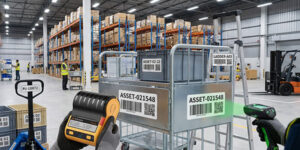
- Thermal Transfer:Uses heat to melt resin or wax from a ribbon onto the label. This creates a highly durable, waterproof, and scratch-resistant print. It is the mandatory choice for long-term asset tracking, outdoor equipment, and chemical (GHS) compliance labels.
3. Am I forced to buy proprietary labels for my machine?
Not if you buy the right hardware. Many consumer-grade retail brands design their printers with microchips that lock you into buying their expensive, branded label rolls.
For commercial buyers, it is crucial to invest in an open-ecosystem label roll printer. These machines feature adjustable sensors that accept standard, third-party continuous rolls and fan-fold stacks. This allows your procurement team to source raw media from wholesale suppliers, securing the lowest possible cost per label.
4. How do I choose the right print width and roll capacity?
Always size your printer based on your largest required label format:
- Print Width:If you ship e-commerce orders via FedEx, UPS, or USPS, you must choose a printer with a 4-inch print width to accommodate standard 4×6 shipping labels. If you only print retail price tags or jewelry barcodes, a compact 2-inch model will suffice.
- Roll Capacity:Desktop printers usually hold smaller rolls (e.g., 250-500 labels) internally. If you run a high-volume warehouse, look for a printer with a rear feed slot that allows you to use massive external label rolls or large fan-fold stacks, reducing the time your staff spends reloading paper.
Find the Perfect Labeling Solution with Detonger
Understanding the technical nuances of thermal printing ensures you invest in hardware that scales with your business. Whether you are transitioning from sheet labels for the first time or upgrading an entire warehouse fleet, relying on a professional manufacturing partner guarantees long-term reliability.
With over 16 years of expertise, Detonger builds versatile, open-ecosystem thermal printers designed to maximize your efficiency and minimize running costs. Explore our comprehensive product lines to find a machine built specifically for your operational demands.
Have specific technical requirements or need a customized quote?
[Contact Detonger for Model Recommendation]
Our B2B hardware specialists are ready to help you optimize your labeling setup.