
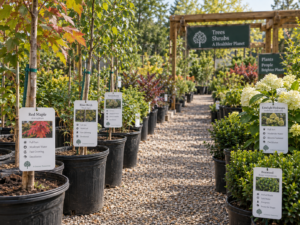
A plant label printer is a heavy-duty thermal device engineered for commercial nurseries, botanical gardens, and agricultural facilities to generate weatherproof, UV-resistant identification tags. The most critical selection factors are the printing technology (thermal transfer is mandatory to prevent sunlight fading) and media compatibility (the ability to feed thick PVC pot stakes and wrap-around tree tags). Users should initially judge their hardware requirements by evaluating their growing environment: if your inventory is exposed to daily overhead irrigation, direct summer sunlight, and muddy handling, you must deploy a thermal transfer printer paired with pure resin ribbons. This setup guarantees that your botanical names, barcodes, and pricing never wash away or turn black before the plant reaches the retail consumer.
The Cost of Standard Printing in Horticulture
In the agricultural and landscaping sectors, a faded or destroyed label equates to lost revenue. If a garden center worker cannot identify a specific cultivar because the ink has washed off, the plant cannot be sold at its premium price.
Standard consumer inkjet printers are entirely useless outdoors, as their water-based inks bleed the moment they are hit by a sprinkler. Similarly, standard direct thermal label makers (commonly used for office shipping) are highly reactive to heat and UV light; when placed in a sunny greenhouse, direct thermal paper will turn completely black within days, erasing all printed data.
A dedicated plant label printer solves this by bypassing ink and heat-sensitive paper entirely. By utilizing specialized thermal transfer technology to melt industrial resin into synthetic plastics (like PVC or HDPE), these devices create a permanent horticultural marker. Whether you are printing adhesive wrap-around tags for saplings or rigid push-in stakes for succulent trays, this hardware ensures your barcodes and care instructions survive entire growing seasons outdoors.
Key Hardware Specifications for Nursery Labeling
Procuring hardware for outdoor plant tracking requires a strict focus on environmental durability and unique media handling. B2B buyers should evaluate devices based on these specific horticultural criteria:
- Thermal Transfer Technology (UV & Water Resistance):To survive the greenhouse, your hardware must be a thermal transfer label printer. This mechanism uses a heated printhead to melt a solid resin ribbon directly onto a synthetic plastic tag. Resin is naturally impervious to water, fertilizers, and prolonged UV exposure.
- Specialized Media Handling:Plant tags are rarely standard adhesive squares. A nursery printer must have adjustable media guides and advanced black-mark/gap sensors to accurately feed non-adhesive wrap-around tags (loop tags), perforated roll tags, and thick plastic pot stakes.
- High Resolution (300 DPI):Botanical names are often long and require small font sizes to fit on a narrow 1-inch stake. A 300 DPI printhead ensures that complex Latin plant names, tiny care icons (like sun/shade symbols), and compact QR codes remain perfectly crisp and scannable.
- Field Portability:Dragging flats of plants to a back-office computer to print replacement tags is highly inefficient. Portable, battery-powered printers allow nursery workers to generate durable replacement tags directly in the field or greenhouse aisle.
Direct Thermal vs. Thermal Transfer in the Garden
Understanding why thermal transfer is the industry standard for outdoor agriculture will save your business from costly inventory tracking errors:
| Feature / Metric | Direct Thermal Printing | Thermal Transfer Printing (with Resin) |
| Print Mechanism | Heat-sensitive paper darkens when heated | Heated printhead melts a resin ribbon onto the plastic tag |
| Sunlight (UV) Resistance | Fails entirely (Turns black under UV rays) | Exceptional (Legible for years in direct sunlight) |
| Water & Mud Resistance | Poor (Paper degrades rapidly) | Extreme (Plastic tags can be hosed down and scrubbed) |
| Substrate Compatibility | Paper or basic coated labels | PVC stakes, HDPE wrap-around loop tags, PET labels |
| Ideal Nursery Use | Temporary indoor retail receipts | Long-term outdoor cultivation, tree tagging, pot stakes |
For any application involving outdoor weathering, overhead irrigation, or long-term greenhouse cultivation, thermal transfer is the only financially viable option.
Expert Hardware Recommendations from Detonger
Selecting the appropriate unit requires matching the machine’s media capabilities to your specific nursery operations. Detonger provides purpose-built hardware for agricultural tracking, backed by 16 years of independent R&D.
Detonger DT6250: The Professional Nursery Workhorse
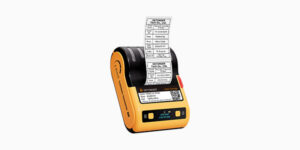
For large-scale commercial growers, tree farms, and retail garden centers, the Detonger DT6250 2.5-inch Thermal Transfer Printer is the ultimate tool.
- Why it fits the nursery:Engineered to handle the unique media used in agriculture, this 300 DPI printer easily feeds thick PVC pot stakes and flexible loop tags up to 61mm wide. By separating the ribbon and the label roll, it allows nurseries to load specialized agricultural substrates seamlessly. Its robust build makes it ideal for printing high volumes of permanent botanical tags during the busy spring propagation season.
Detonger DT5150: The Agile Retail Garden Solution
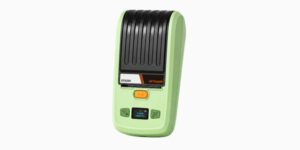
If your business focuses on smaller indoor house plants, succulents, or retail boutique sales, the highly portable Detonger DT5150 offers extreme agility.
- Why it fits the nursery:This compact 1.5-inch printer is perfect for creating durable, waterproof adhesive labels for the side of plastic and terracotta pots. Utilizing a sealed, one-piece consumable cassette, staff can reload the resin ribbon and synthetic labels in the middle of a dirt-filled greenhouse without contaminating the printhead.
Automating Plant Data with Weprint Software
Hardware must be paired with intelligent software to manage massive plant inventories. Detonger printers integrate seamlessly with our proprietary Weprint software ecosystem, available on iOS, Android, and PC.
Weprint enables nursery managers to design standardized plant tags featuring custom fonts, barcode formats, and care instruction icons. Most importantly, the software supports direct Excel database imports. Instead of typing out complex botanical names manually, you can map your inventory spreadsheet to automatically batch-print hundreds of accurate, serialized tree tags in minutes. For retail environments, you can easily generate QR codes that link customers directly to online planting guides or your garden center’s webstore.
Upgrading your agricultural facility with a dedicated plant label printer eliminates misidentified cultivars, streamlines retail checkout, and protects your inventory data from the elements. To future-proof your nursery’s tracking infrastructure, explore our robust Industrial Label Printer for Manufacturing, Warehouse and Durable Labels collection, or implement our agile Portable Label Printer solutions for everyday greenhouse management.
Frequently Asked Questions (FAQs)
Q: Can I print on those plastic stakes you stick into the dirt with a standard label printer?
A: No. Standard label printers only accept adhesive paper rolls. To print on rigid plastic pot stakes or non-adhesive tree tags, you need a specialized thermal transfer plant label printer equipped with adjustable media guides, a black-mark sensor (to detect the start of the next tag), and a printhead capable of transferring resin onto thick PVC or HDPE plastics.
Q: Why did the labels I printed last spring turn completely black in the sun?
A: You used a direct thermal printer. Direct thermal paper is coated with a chemical that turns black when exposed to heat or UV light. When left in a sunny greenhouse or outdoor yard, the ambient heat and UV rays activate the entire label, destroying the printed information. You must switch to a thermal transfer printer to prevent this.
Q: Do I need a computer in the greenhouse to print these tags?
A: Not necessarily. Portable models like the Detonger series are equipped with Bluetooth and integrate with mobile apps like Weprint. You can design your tag templates on a smartphone or tablet and print directly via Bluetooth while walking through your nursery aisles.