
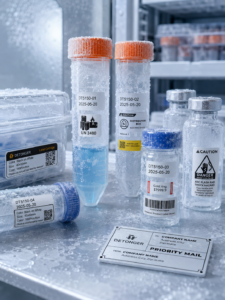
A waterproof label printer is a specialized industrial thermal device engineered for manufacturing supervisors, nursery operators, and facility managers to produce moisture-resistant, permanent identification tags. The most critical selection factors include the core print technology (thermal transfer is absolutely essential for true waterproofing), media compatibility (handling synthetic PET or PVC substrates), and print resolution (300 DPI for sharp, scannable barcodes). Users should initially judge their requirements by evaluating environmental exposure: if your products face heavy rain, chemical solvents, or extreme condensation, you must deploy a portable thermal transfer printer paired with resin ribbons. This guarantees that your tracking barcodes never smudge, fade, or peel before reaching the end of their lifecycle.
The Strategic Importance of a Waterproof Label Printer
In sectors like outdoor agriculture, chemical manufacturing, and cold-chain logistics, a standard paper label is a massive operational liability. Standard inkjet prints run and smear the moment they are exposed to moisture, while direct thermal paper turns black under UV light or disintegrates when soaked.
Deploying a professional waterproof label printer eliminates these supply chain vulnerabilities. By utilizing specialized thermal technology to melt industrial pigments onto synthetic, non-porous substrates, these devices create a permanent, indestructible marker. Whether you are tagging potted plants in a highly humid greenhouse, labeling frozen food packaging subject to condensation, or tagging heavy machinery stored outdoors, this hardware ensures your branding and critical barcodes remain 100% legible, maintaining inventory integrity and regulatory compliance.
Key Specifications for a Waterproof Label Printer
Procuring hardware for harsh environments requires a strict focus on durability and industrial capabilities. B2B decision-makers must evaluate printers based on the following specific criteria:
- Thermal Transfer Print Technology:True waterproofing requires a thermal transfer label printer. This technology uses a heated printhead to melt a solid resin ribbon directly into the surface of a synthetic label. This creates an impenetrable layer that actively repels water, oil, and harsh chemicals.
- Industrial Substrate Compatibility:Your chosen hardware must reliably feed and print on industrial-grade label rolls. Look for hardware that supports Matte Silver PET, PVC, and PP (polypropylene) synthetics. The printer must feature precise transmissive and reflective sensors to calibrate these specialized rolls properly.
- High Print Resolution (300 DPI):Waterproof labels are often subjected to mud, frost, or physical abrasion. Starting with a 300 DPI print resolution ensures that your QR codes and DataMatrix codes have extremely sharp edge definition, giving optical scanners the best possible chance of reading the code even if the label surface is dirty or partially obscured.
- Hardware Portability:In large lumber yards or sprawling manufacturing plants, efficiency drops when workers must return to a desk to print tags. Portable devices with high-capacity batteries and seamless Bluetooth connectivity allow staff to print rugged labels directly at the point of application.
Direct Thermal vs. Thermal Transfer for Waterproofing
To make an informed purchasing decision, it is crucial to understand how different printing methods handle moisture and environmental stress.
| Feature / Metric | Direct Thermal (Top-Coated Paper) | Thermal Transfer (Resin on Synthetic) |
| Print Mechanism | Heat-sensitive paper darkens when heated | Heated printhead melts a resin ribbon onto the label |
| Water Resistance | Moderate (Withstands light condensation) | Extreme (Survives total, prolonged submersion) |
| UV & Weathering | Low (Fades or turns black in direct sunlight) | Excellent (Remains legible outdoors for years) |
| Consumables Needed | 3-Proof Direct Thermal Labels only | Synthetic Labels AND thermal transfer ribbons |
| Ideal Application | Refrigerated logistics, temporary tagging | Plant nurseries, outdoor equipment, marine use |
If your labels will face prolonged exposure to the elements, freezing temperatures, or full submersion, thermal transfer is the only scientifically sound choice to prevent data loss.
Expert Recommendations: Top Detonger Waterproof Label Printers
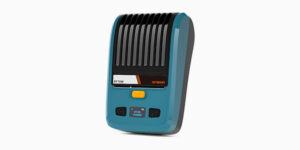
Selecting the right unit requires matching the machine’s print width and consumable architecture to your facility’s operational scale. Based on rigorous manufacturing standards, Detonger recommends four specific models for generating durable, waterproof identification:
- Detonger DT5150 (Compact Asset & QR Labels):For tight spaces and small items, this 1.5-inch printer is the optimal agile solution. It features an innovative one-piece consumable cassette, pre-loading the resin ribbon and synthetic label together. It is perfect for waterproof QR codes on small plant pots, laboratory vials, and compact electronics.
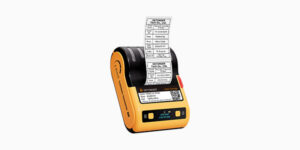
- Detonger DT60 (Durable Asset & Inventory Labels):This 2-inch split-type printer is built for medium-sized inventory items and storage assets. By separating the ribbon roll from the label roll, businesses can cost-effectively produce long-lasting, waterproof identification tags for warehouse bins and outdoor equipment.
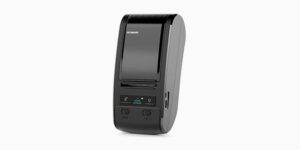
- Detonger DT6250 (Professional Asset Tracking Labels):Stepping up to a 2.5-inch print width, this device is engineered for professional asset management and industrial inventory. It easily handles the wider synthetic tags required for detailed outdoor maintenance logs and electrical asset identification.
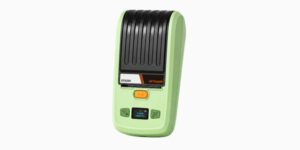
- Detonger DT7330 (Wide Equipment & Industrial Asset Labels):For tracking massive capital equipment, this printer offers a superior 3-inch wide-format capacity. It is specifically recommended for large equipment IDs, heavy machinery labels, and wide-format durable identification that must survive extreme industrial weather conditions.
Enhancing Workflow with Intelligent Software
Rugged hardware must be driven by intelligent software to eliminate manual data entry errors. Detonger printers integrate seamlessly with our proprietary Weprint software ecosystem, available on iOS, Android, and PC.
Weprint allows operations managers to design custom, weather-proof labels incorporating dynamic dates, complex tables, and high-density 2D barcodes. The software supports direct Excel data imports, enabling you to automatically batch-print hundreds of serialized waterproof tags in minutes. For enterprise clients, we provide robust SDK and API access, allowing developers to embed our printing protocols directly into your proprietary ERP or inventory systems.
Investing in a dedicated waterproof label printer eliminates the massive costs associated with ruined labels, unreadable barcodes, and lost inventory. By prioritizing thermal transfer technology, selecting synthetic substrates, and utilizing smart batch-printing software, your operations will withstand any environment. To future-proof your facility’s tracking capabilities, explore our complete Manufacturing & Industrial Labeling Industrial Label Printing Solutions, or upgrade your infrastructure with a heavy-duty Industrial Label Printer for Manufacturing, Warehouse and Durable Labels today.
Frequently Asked Questions (FAQs)
Q: Do I need a special type of ribbon to ensure my labels are truly waterproof?
A: Yes. If you are using a thermal transfer printer, you must use a pure resin ribbon to achieve true waterproofing. Wax ribbons will smudge when wet, and wax-resin blends offer only moderate resistance. Pure resin melts into synthetic labels (like PET or PVC) at a high temperature, creating a bond that is completely impervious to water, oil, and chemical solvents.
Q: Are the portable label printers themselves waterproof?
A: The printers generate waterproof labels, but the hardware itself is typically not fully submersible. Industrial portable printers feature rugged designs and specific IP (Ingress Protection) ratings that make them resistant to dust and water splashes (like light rain), but they should not be submerged in water or left out in severe storms.
Q: Can waterproof labels adhere properly in freezing conditions?
A: A waterproof printed surface does not automatically guarantee the adhesive will work in the cold. If your labels will be applied to frozen items or stored in cold environments (like a commercial freezer), you must ensure you purchase synthetic label rolls equipped with a “cold-grade” or “freezer-grade” acrylic adhesive to prevent the waterproof label from physically falling off the item.