

An asset tag label printer is a dedicated thermal printing device engineered for IT managers, warehouse supervisors, and facility administrators to produce highly durable, permanent identification markers for capital equipment. It is designed for enterprises that need to track fixed assets, prevent theft, and streamline large-scale inventory audits. The most critical selection factors include the core print technology (thermal transfer is absolutely essential for long-term longevity), print resolution (300 DPI for flawless micro-barcode scanning), and seamless integration with batch-printing software. Users should initially judge their requirements by evaluating the physical environment and size of their assets: if you are tracking laptops or heavy manufacturing machinery subjected to handling and chemical exposure, a portable thermal transfer device paired with synthetic Silver PET media is mandatory to guarantee your tags remain legible for a decade or more.
The Core Value of a High-Quality Asset Tag Label Printer
In enterprise management, an unreadable asset tag is a significant liability. When organizations rely on consumer-grade sticker makers or standard office laser printers to label fixed assets, the consequences are costly: barcodes fade under fluorescent lights, text smudges from cleaning solvents, and the labels eventually peel off. This directly causes inaccurate depreciation records, lost IT equipment, and failed compliance audits.
Deploying a professional asset tag label printer safeguards your capital investments. By utilizing industrial thermal technology to fuse resin onto synthetic substrates, these devices create a tamper-proof, permanent marker. This guarantees that every piece of corporate hardware—from a small network switch to a heavy-duty forklift—maintains a reliable, scannable identity throughout its entire lifecycle.
Critical Specifications for Asset Management Hardware
When procuring hardware specifically for fixed asset management, B2B decision-makers must evaluate devices based on permanence, precision, and media compatibility.
- Thermal Transfer Print Technology:For true asset tracking, your hardware must utilize thermal transfer technology. Unlike direct thermal printing (which uses chemically treated paper that darkens when heated and fades quickly), a thermal transfer label printer uses a heated printhead to melt a solid resin or wax-resin ribbon directly into a synthetic label. This creates an impenetrable bond that actively resists UV light, extreme temperatures, and chemical solvents.
- High-Resolution Output (300 DPI):Asset tags are typically small (e.g., 1×2 inches) to fit discreetly on IT equipment. Despite their size, they must contain high-density data, including multi-digit serial numbers and complex 2D QR or DataMatrix codes. A 300 DPI printhead is critical, providing the sharp edge definition required for optical scanners to read miniature barcodes flawlessly.
- Substrate and Media Versatility:A capable printer must handle specialized industrial media. For electronics and IT hardware, the industry standard is Matte Silver PET (polyester). Silver PET offers a premium metallic finish, exceptional tear resistance, and heat tolerance. The printer must feature precise sensors to calibrate these highly reflective synthetic rolls.
- Hardware Mobility:Asset auditing occurs on the warehouse floor and across sprawling corporate campuses, not at a desk. Portable devices equipped with high-capacity lithium-ion batteries empower facility teams to walk the floor, audit equipment, and print replacement tags exactly where they are needed.
Comparing Print Technologies for Asset Tagging
To fully understand why specific hardware is mandated for fixed assets, compare how the two primary thermal technologies perform over time:
| Feature / Metric | Direct Thermal Printing | Thermal Transfer Printing (with Resin) |
| Print Mechanism | Heat-sensitive paper darkens when heated | Heated printhead melts a resin ribbon onto the label |
| Consumables Needed | Direct thermal labels only | Synthetic labels (PET/PVC) AND a resin ribbon |
| Scratch & Friction Resistance | Low (Easily scuffed during handling) | Exceptional (Survives heavy daily handling) |
| Chemical & UV Tolerance | Poor (Fades under lights or when wiped) | Extreme (Impervious to cleaning solvents and UV) |
| Expected Lifespan | 6 to 12 months | 10 to 15+ years |
| Ideal Application | Temporary logistics, retail shelf tags | IT hardware, servers, machinery, fixed assets |
For any asset expected to remain on a company’s balance sheet for longer than a year, thermal transfer is the only financially and operationally viable choice.
Expert Recommendations: Top Detonger Asset Tag Label Printers
Selecting the right unit requires matching the machine’s print width and consumable design to your facility’s operational scale. Based on current manufacturing standards and enterprise feedback, Detonger recommends four primary models for robust asset management:
1. Detonger DT5150: Compact Asset & QR Labels
For IT departments focused strictly on laptops, office equipment, and small IT assets, the DT5150 is the optimal agile solution. As a 1.5-inch All-in-One Thermal Transfer Printer, it is designed for compact fixed-asset identification and crisp QR codes. Its innovative one-piece consumable cassette pre-loads the resin ribbon and synthetic label together, allowing staff to reload the printer in seconds without threading loose ribbons.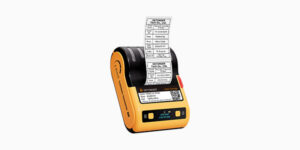
2. Detonger DT60: Durable Asset & Inventory Labels
If your facility requires a highly customizable split-type architecture, the DT60 2-inch printer is built for inventory items, storage assets, and long-lasting identification. By utilizing a split-type system (separating the ribbon roll from the label roll), businesses can mix and match specific resin ribbons with various label stocks to achieve the lowest possible cost-per-print during high-volume equipment recording.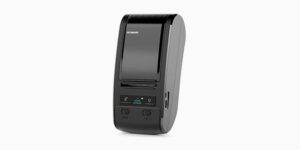
3. Detonger DT6250: Professional Asset Tracking Labels
Stepping up to a 2.5-inch print width, the DT6250 is engineered for professional asset management applications, electrical assets, and industrial inventory. It bridges the gap between portability and industrial capacity, easily handling the wider Silver PET tags required for detailed server rack directories and manufacturing tool tracking.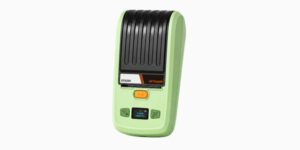
4. Detonger DT7330: Wide Equipment & Industrial Asset Labels
For tracking massive capital equipment, the DT7330 offers a superior 3-inch wide-format capacity. This heavy-duty split-type printer is specifically recommended for large equipment IDs, machinery labels, and wide-format durable identification. It ensures that extensive maintenance logs and high-visibility barcodes can be securely affixed to warehouse infrastructure.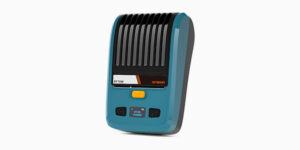
Streamlining Audits with Intelligent Software
Durable hardware must be driven by intelligent software to eliminate manual data entry errors. Detonger printers integrate seamlessly with our proprietary Weprint software ecosystem, available on iOS, Android, and PC.
Weprint allows IT managers to design standardized corporate templates and import vast datasets directly from Excel. Facility managers can automatically map spreadsheet columns to generate hundreds of serialized asset tags in minutes. Upgrading your enterprise with a dedicated asset tag label printer eliminates ghost assets, speeds up annual audits, and ensures every piece of capital equipment is meticulously accounted for.
To future-proof your organization’s tracking infrastructure, explore our high-performance Barcode Label Printer for Warehouse, Inventory and Asset Tracking models, or implement our complete Efficient Asset Management Solutions today.
Frequently Asked Questions (FAQs)
Q: Can I use tamper-evident materials in a portable asset tag printer?
A: Yes. Many enterprises use tamper-evident or “void” labels to prevent theft. When someone attempts to peel these labels off a laptop or server, they leave behind a checkerboard pattern or the word “VOID.” As long as you use a thermal transfer printer (like the DT60 or DT6250) with a compatible resin ribbon, you can easily print on these specialized security substrates.
Q: Why do I need a resin ribbon specifically for asset tags?
A: Thermal transfer ribbons are available in wax, wax-resin, and pure resin formulations. Wax is designed for paper, while pure resin is formulated to melt into synthetic plastics (like PET and PVC) at a higher temperature. Resin provides the ultimate defense against abrasion, chemical cleaners, and time, which is mandatory for asset tags expected to last 5 to 10 years.
Q: How do field teams manage asset tag printing across multiple building locations?
A: Using a cloud-connected mobile app like Weprint, an IT director can upload a standardized corporate asset tag template to a secure cloud account. Field technicians in different buildings can access this exact template via their smartphones, connect to their portable Bluetooth printers, and print highly consistent asset tags on-site, regardless of their geographical location.