
A bottle label printer engineered for waterproof product labeling is an essential on-demand thermal printing system designed for craft beverage bottlers, cosmetic formulators, chemical packagers, and cold-chain food producers. Whether labeling chilled craft beer bottles, wine bottles destined for ice buckets, essential oil droppers, or household cleaning sprays, moisture resistance is the primary determinant of packaging integrity. Cylindrical glass, PET, and HDPE bottles present severe mechanical and environmental challenges: condensing moisture weakens adhesives, curved surfaces generate continuous peel stress, and contact with oils, alcohol, or water baths degrades inferior inks. The decisive technical selection criteria for waterproof bottle marking include thermal transfer printing technology running pure resin ribbons (mandatory to resist water submersion, plant oils, and alcohol drips), an ultra-sharp 300 DPI printhead (to render micro-typography, ingredient panels, and barcodes cleanly), and broad compatibility with pliable synthetic films like BOPP and PET. Packaging directors and small business owners must evaluate their moisture profiles: if your containers undergo refrigeration, ice-water submersion, or routine wet handling, deploying a dedicated thermal transfer bottle printer is the only way to eliminate label bubbling, prevent ink washouts, and maintain pristine brand presentation on retail shelves.
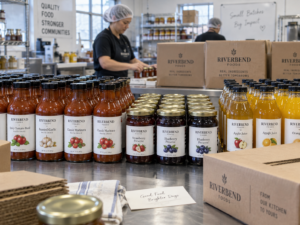
The Physical and Chemical Failure Modes of Non-Waterproof Bottle Labels
In commercial bottling and retail merchandising, an unreadable, peeling, or water-damaged label severely damages brand credibility and introduces regulatory compliance risks. When bottling operations rely on standard desktop inkjet printers, office laser sheets, or basic direct thermal papers, multiple environmental points of failure emerge:
- Condensation Washout and Pulp Delamination:Cold-chain beverages (craft beer, kombucha, white wine) experience severe condensation when moved from refrigerated cold rooms to ambient retail display. Standard paper labels absorb water rapidly, causing wood pulp fibers to swell, bubble, and tear away from the bottle wall. Water-based desktop inkjet inks dissolve instantly into illegible color bleeds.
- Ice-Bucket Submersion Failure:Premium wine and champagne bottles frequently undergo full submersion in melting ice water. Non-waterproof adhesives break down within hours, turning into milky white sludge and causing the entire label to slide off the glass container.
- Essential Oil, Serum, and Alcohol Dissolution:High-proof craft spirits, aromatherapy dropper bottles, and cosmetic facial serums regularly experience liquid drips down the bottle exterior. Natural plant lipids and ethanol dissolve standard printer toners and wax ribbons within minutes, erasing batch numbers, volume statements, and barcodes.
- Thermal Blackening from Radiant Heat and Sunlight:Economy direct thermal paper contains a heat-sensitive chemical coating. When bottled goods sit in sunlit storefront display windows, undergo hot-fill bottling processes, or travel inside hot freight trucks, direct thermal labels turn completely dark or pitch black, permanently obliterating product branding and barcodes.
Deploying an industrial-grade bottle label printer resolves these physical vulnerabilities. Utilizing controlled thermal transfer energy, the machine melts solid resin ribbons directly into non-porous synthetic plastic films (such as biaxially-oriented polypropylene [BOPP] or flexible PET). This forms an indelible, cross-linked chemical bond that withstands continuous water submersion, ice baths, lipid drips, and abrasive handling across the entire product lifecycle.
Core Hardware Specifications for Waterproof Bottle Label Printing
Producing durable, water-resistant labels that adhere smoothly to curved glass and plastic bottles requires hardware built around specific mechanical and optical tolerances:
1. Thermal Transfer Printing with Pure Resin Ribbon Compatibility
Waterproof bottle labeling strictly requires a dedicated thermal transfer label printer capable of driving pure resin or premium wax-resin ribbons. The heated printhead melts solid resin polymers directly into synthetic facestocks, creating an impermeable barrier impervious to water, condensation, vegetable oils, and 70%+ isopropyl alcohol. Direct thermal printing is unsuited for wet, refrigerated, or sunlit bottle displays.
2. 300 DPI Ultra-High Resolution Output
Bottle labels condense complex regulatory information into compact printable areas: brand typography shares limited surface space with multi-column ingredient panels, net contents, compliance symbols, and scannable 2D QR codes. A 203 DPI printhead produces visible pixelation that causes 4pt and 5pt fonts to blur. A 300 DPI (Dots Per Inch) printhead delivers razor-sharp typography down to 3pt and crisp quiet zones around barcodes, ensuring immediate first-pass scans at retail POS checkout counters and automated distribution centers.
3. Pliable Synthetic Substrates (Anti-Flagging on Curved Walls)
Cylindrical bottles exert continuous outward spring-back tension on rigid label stocks. A reliable bottle printer must smoothly feed ultra-flexible synthetic media:
- White and Clear BOPP (Polypropylene):The industry standard for craft beverage, condiment, and cosmetic bottles, providing complete water resistance, high flexibility, and oil resistance.
- Matte Silver PET (Polyester):Delivers a premium brushed-metal appearance for luxury spirits, boutique serums, and apothecary tinctures while offering extreme chemical and heat stability.
- High-Tack Waterproof Acrylic Adhesives:Formulated specifically to anchor firmly to smooth glass, PET, and HDPE surfaces without bubbling, lifting at the edges, or emulsifying in ice water.
4. Precision Optical Sensors for Die-Cut & Custom Label Shapes
Bottle packaging frequently utilizes custom die-cut front panels, oval labels, and circular cap seals. The printer requires sensitive, adjustable transmissive (gap) and reflective (black mark) optical sensors to calibrate each label’s top-of-form boundary precisely, preventing text and barcodes from drifting across die-cut edges during continuous batch runs.
Technical Comparison: Bottle Labeling Technologies
| Performance Metric | Standard Desktop Inkjet / Laser | Direct Thermal (3-Proof Paper) | Dedicated Thermal Transfer Bottle Printer |
| Imaging Technology | Liquid ink or toner baked on paper | Heated printhead on chemical coating | Pure resin ribbon melted into synthetic plastic |
| Required Consumables | Ink cartridges / toner + sheet paper | Direct thermal label roll (inkless) | Synthetic label rolls + pure resin ribbon |
| Water & Condensation Tolerance | Fails completely (inks bleed; paper tears) | Moderate (resists brief surface splashes) | Extreme (completely impervious to water and ice baths) |
| Ice-Bucket Submersion Viability | Zero (label delaminates in hours) | Poor (coating softens and turns gray) | Superior (maintains 100% adhesion and clarity) |
| Oil, Serum & Alcohol Resistance | Zero (erased instantly on contact) | Low (chemical contact causes fading) | Exceptional (impervious to essential oils and ethanol) |
| Curved Surface Edge-Lift Resistance | Poor (stiff paper flags off bottle curves) | Moderate (paper tends to lift over time) | Superior (ultra-flexible synthetic films conform tightly) |
| Recommended Bottle Application | Non-critical indoor office mockups | Ambient dry spice jars, temporary tags | Craft beer, wine, spirits, cosmetic serums, sauces |
Recommended Detonger Models for Waterproof Bottle Labeling
Detonger leverages 16 years of independent hardware research, global ISO9001 quality certifications, and 11 invention patents to deliver reliable thermal hardware suited for commercial packaging and durable synthetic labeling.
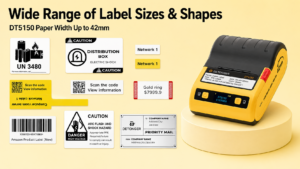
Detonger DT5150: The Compact Dropper Bottle & Cosmetic Vial Specialist
For boutique skincare crafters, essential oil formulators, serum producers, and vape e-liquid packagers working with 10ml to 50ml bottles, the Detonger DT5150 1.5-inch All-in-One Thermal Transfer Printer delivers benchtop precision.
- Why it excels for waterproof bottle labels:Featuring a 300 DPI printhead, the DT5150 outputs crisp micro-typography, regulatory icons, and compact 2D QR codes on waterproof synthetic labels up to 36mm wide. Its sealed, all-in-one consumable cassette integrates the pure resin ribbon and synthetic label roll into a single drop-in cartridge. Operators can swap label stocks in seconds with zero manual ribbon threading or cleanroom contamination. Integrated Bluetooth connectivity allows teams to print labels directly at packaging benches via smartphone or tablet.
Detonger DT6250: Multi-Format Workhorse for Beverage & Sauce Bottles
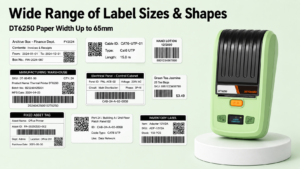
For craft breweries, boutique distilleries, hot sauce makers, and 250ml to 500ml cosmetic pump bottles, the Detonger DT6250 2.5-inch Thermal Transfer Printer provides expanded capacity.
- Why it excels for waterproof bottle labels:Supporting media widths up to 61mm (2.5 inches) at a sharp 300 DPI resolution, the DT6250 provides ample printable area for complex layouts—such as brand typography, full nutrition panels, batch codes, and high-density barcodes. Its split-type consumable architecture separates the ribbon supply from the label roll, substantially reducing ongoing per-label costs during large-scale bottling runs.
Detonger DP27 Series: Agile Direct Thermal Solution for Ambient Dry Goods
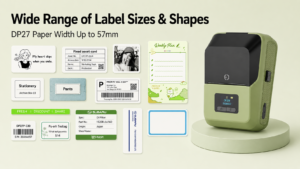
For dry spice bottles, short-cycle beverage containers, or temporary batch neck tags that do not face direct water misting or grease, the Detonger DP27 Series (featuring the 300 DPI DP27P configuration) provides an inkless, lightweight alternative.
- Why it excels for bottle labels:Weighing just 292g, this mobile 2-inch unit enables shop workers to print dynamic price tags, flavor markers, and batch dates directly at the packing bench via Bluetooth, keeping consumable overhead to an absolute minimum.
Automating Packaging Batches with WePrint Software
A commercial bottle label printer requires versatile design and database software to eliminate transcription errors. Detonger hardware integrates natively with the WePrint application across iOS, Android, and Windows PC.
WePrint simplifies bottle packaging workflows through dedicated capabilities:
- Direct Excel & CSV Spreadsheet Binding:When packaging diverse product lines with multiple scent profiles, flavors, or SKU numbers, operators can import external product matrices directly into the app. WePrint dynamically maps database columns to the label template, batch-printing serialized labels in minutes without manual data entry.
- Automated Batch Coding & Expiration Sequencing:Production managers can lock static branding elements while configuring automatic incrementation rules for lot numbers, bottling dates, and best-by dates alongside dynamic 1D/2D barcodes.
- Dynamic Barcode & QR Code Engine:Generates compliant 1D retail barcodes (UPC-A, EAN-13) as well as 2D QR codes linking consumers directly to digital certificates of analysis (COA), brand stories, or recycling instructions.
Deploying a dedicated bottle label printer safeguards your brand presentation, eliminates retail scanning dropouts, and ensures digital traceability from the bottling line to the consumer’s hands. Explore Detonger’s specialized Barcode Label Printer for Warehouse, Inventory and Asset Tracking collection, or discover our high-durability Industrial Label Printer for Manufacturing, Warehouse and Durable Labels lineup to upgrade your packaging infrastructure today.
Frequently Asked Questions (FAQs)
Q: What is the best label material for glass bottles kept in ice buckets?
A: The industry standard for ice-bucket immersion is white or clear BOPP (biaxially-oriented polypropylene) film paired with a high-tack waterproof acrylic emulsion or solvent acrylic adhesive. When printed using an industrial thermal transfer printer loaded with pure resin ribbon, BOPP film resists water absorption entirely, and the adhesive maintains full structural bonding without turning milky or sliding off the wet glass surface.
Q: Can I print waterproof bottle labels with a standard direct thermal printer?
A: Standard direct thermal paper is not recommended for refrigerated or wet bottle labeling. While “three-proof” direct thermal paper resists brief surface water splashes, the underlying cellulose paper absorbs moisture under prolonged condensation or ice submersion, causing edges to lift. Furthermore, direct thermal coatings turn black when exposed to sunlight or heat. For true commercial waterproof performance, always choose a thermal transfer printer equipped with synthetic film and pure resin ribbon.
Q: How do I prevent bottle labels from peeling off along the edges (edge-flagging)?
A: Edge-flagging on cylindrical bottles is caused by rigid facestocks resisting the curvature of the glass or plastic. To prevent edge-lifting: choose flexible synthetic films (such as thin BOPP, PE, or flexible PET) rather than stiff paper; use a high-tack acrylic adhesive formulated for low-surface-energy plastics or smooth glass; and ensure the bottle surface is completely dry and free from mold-release agents or hand oils before applying the label.