
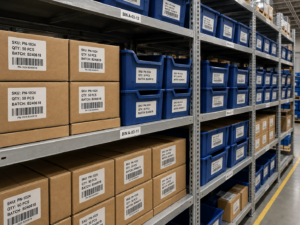
A waterproof label printer is a dedicated industrial device designed to produce moisture-resistant, durable shipping tags for logistics, warehousing, and e-commerce operations. It is essential for warehouse supervisors, supply chain managers, and courier professionals who need packages to survive rain, snow, condensation, and rough handling during transit. The most important selection factors include the hardware’s print width (standard shipping requires 4 inches), the printing technology (which dictates material compatibility), and mobile software integration for batch processing. Users should initially judge their needs by assessing their daily shipping volume and the environmental hazards their packages will face. If your shipments travel cross-border or sit in outdoor loading docks, investing in a robust printer that supports top-coated waterproof media ensures your tracking barcodes remain perfectly scannable until delivery.
Why Your Logistics Workflow Needs a Waterproof Label Printer
In the fast-paced shipping and logistics industry, a damaged or unreadable barcode can cause severe supply chain disruptions. When standard paper labels are exposed to rain, high humidity, or accidental spills in the warehouse, the ink smears and the paper disintegrates. This leads to lost packages, delayed shipments, and expensive manual data entry overrides.
Deploying a professional waterproof label printer mitigates these risks completely. By utilizing specialized hardware capable of printing on synthetic substrates or top-coated “three-proof” (waterproof, oil-proof, scratch-proof) thermal media, logistics teams ensure that critical tracking information remains intact regardless of the weather. For modern B2B and B2C enterprises, this reliability is not a luxury—it is a baseline requirement for maintaining customer satisfaction and operational efficiency.
Key Factors When Choosing a Waterproof Label Printer
Evaluating hardware for a high-volume logistics environment requires a strict focus on durability and compatibility. Here are the core criteria B2B decision-makers must evaluate:
Print Width and Standard Compliance
Shipping carriers globally (such as FedEx, UPS, DHL, and local postal services) have standardized on the 4×6 inch (100x150mm) label format. Therefore, your printer must support a print width of at least 104mm. Buying a smaller printer will render you incapable of producing compliant, easily readable logistics waybills.
Print Technology and Material Synergy
To achieve true waterproof performance, the printer must pair with the correct materials.
- Direct Thermal:This is the most common technology for shipping. To make it waterproof, the printer must be loaded with premium “top-coated” direct thermal paper, which features a protective chemical layer resisting water and oil.
- Thermal Transfer:For extreme durability (e.g., ocean freight or long-term outdoor storage), thermal transfer printers melt a resin ribbon onto synthetic labels (like PET or PVC), creating an indestructible, 100% waterproof bond.
Portability and Battery Endurance
Modern warehousing relies on mobile workstations. A portable waterproof label printer allows forklift operators and pick-and-pack staff to print shipping labels directly at the pallet. Look for devices equipped with high-capacity lithium batteries (minimum 2500 mAh) that can sustain continuous 8-hour shifts without requiring a recharge.
Software Integration and Batch Printing
Logistics thrives on speed. The printer must seamlessly integrate with warehouse management systems (WMS). Look for hardware that provides robust SDKs, supports direct Bluetooth/Wi-Fi connections, and offers dedicated apps for one-click Excel data imports to facilitate massive batch printing.
Direct Thermal vs. Thermal Transfer for Waterproof Shipping
To clarify the best approach for your specific logistics model, compare the two primary printing technologies:
| Feature / Metric | Direct Thermal (with Top-Coated Paper) | Thermal Transfer (with Resin Ribbon) |
| Water Resistance | High (Repels rain, condensation, and oil) | Extreme (Survives total submersion, chemicals) |
| Consumables Needed | 3-Proof Direct Thermal Labels only | Synthetic Labels (PET/PVC) AND a Ribbon |
| Operating Cost | Lower (No ribbons to purchase or replace) | Higher (Requires two separate consumables) |
| Print Speed | Very Fast (Ideal for high-volume shipping) | Moderate (Better for specialized tags) |
| Ideal Logistics Use Case | Standard e-commerce, courier transit, air freight | Heavy machinery shipping, ocean freight, chemical transit |
For 95% of standard logistics and e-commerce shipping scenarios, a direct thermal printer utilizing high-quality top-coated waterproof labels offers the perfect balance of speed, cost-efficiency, and moisture protection.
Expert Recommendations: Top Detonger Models for Shipping
Selecting the right hardware requires matching technical specifications to your specific warehouse environment. Detonger, a leading manufacturer with 16 years of independent R&D experience, 11 invention patents, and global ISO/CE certifications, offers purpose-built solutions for the logistics sector.
For high-volume, mobile shipping environments, we strongly recommend the Detonger DP40 Series. This 4/4.5-inch portable thermal label printer is the ultimate tool for generating 4×6 shipping labels on the warehouse floor.
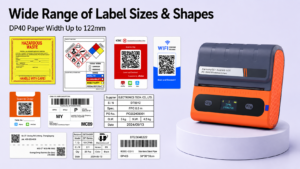
- Why it fits logistics:The DP40 Series supports a maximum print width of 104mm to 114mm, perfectly accommodating industry-standard waybills. When loaded with three-proof waterproof direct thermal labels, it produces crisp, 203 DPI barcodes that will not run or smear in the rain.
- Power and Connectivity:Equipped with dual 2600 mAh batteries, it provides approximately 120 meters of continuous printing. It seamlessly connects via Bluetooth to our proprietary Weprint app, allowing logistics teams to import daily dispatch lists via Excel and print hundreds of waterproof shipping labels in a single batch.
Upgrade Your Logistics Infrastructure Today
Investing in a high-quality waterproof label printer is a strategic decision that eliminates scanning errors, reduces lost packages, and accelerates your outbound shipping speeds. By prioritizing the correct 4-inch print width, understanding the synergy between your printer and top-coated labels, and leveraging smart batch-printing software, your logistics operations can weather any storm.
Ready to eliminate weather-related shipping errors? Explore our comprehensive Shipping Label Printer for E-commerce, Warehouse and Logistics solutions, or discover how our enterprise hardware can integrate into your existing WMS by reviewing our Efficient Warehouse Label Printing ecosystem today.
Frequently Asked Questions (FAQs)
Q: Does the printer itself need to be waterproof, or just the labels?
A: For logistics, it is primarily the label that needs to be waterproof to ensure the barcode survives transit. However, portable printers used in outdoor loading docks should have a rugged design with a good IP rating (dust and splash resistance) to protect the internal printhead and battery from environmental damage.
Q: Can I use standard paper rolls in a waterproof label printer?
A: Yes, you can load standard paper into the printer, but the resulting labels will not be waterproof. To achieve moisture resistance, you must load the machine with specific “three-proof” (waterproof, oil-proof, scratch-proof) thermal labels or synthetic materials.
Q: How do mobile workers connect to the printer in a large warehouse without Wi-Fi?
A: Modern portable industrial printers utilize stable Bluetooth connectivity (compatible with both Android and iOS). Workers can download their daily shipping manifest to their smartphone via mobile data, walk to any location in the warehouse, and print directly to their hip-mounted printer via Bluetooth, entirely bypassing the need for a local Wi-Fi network.